
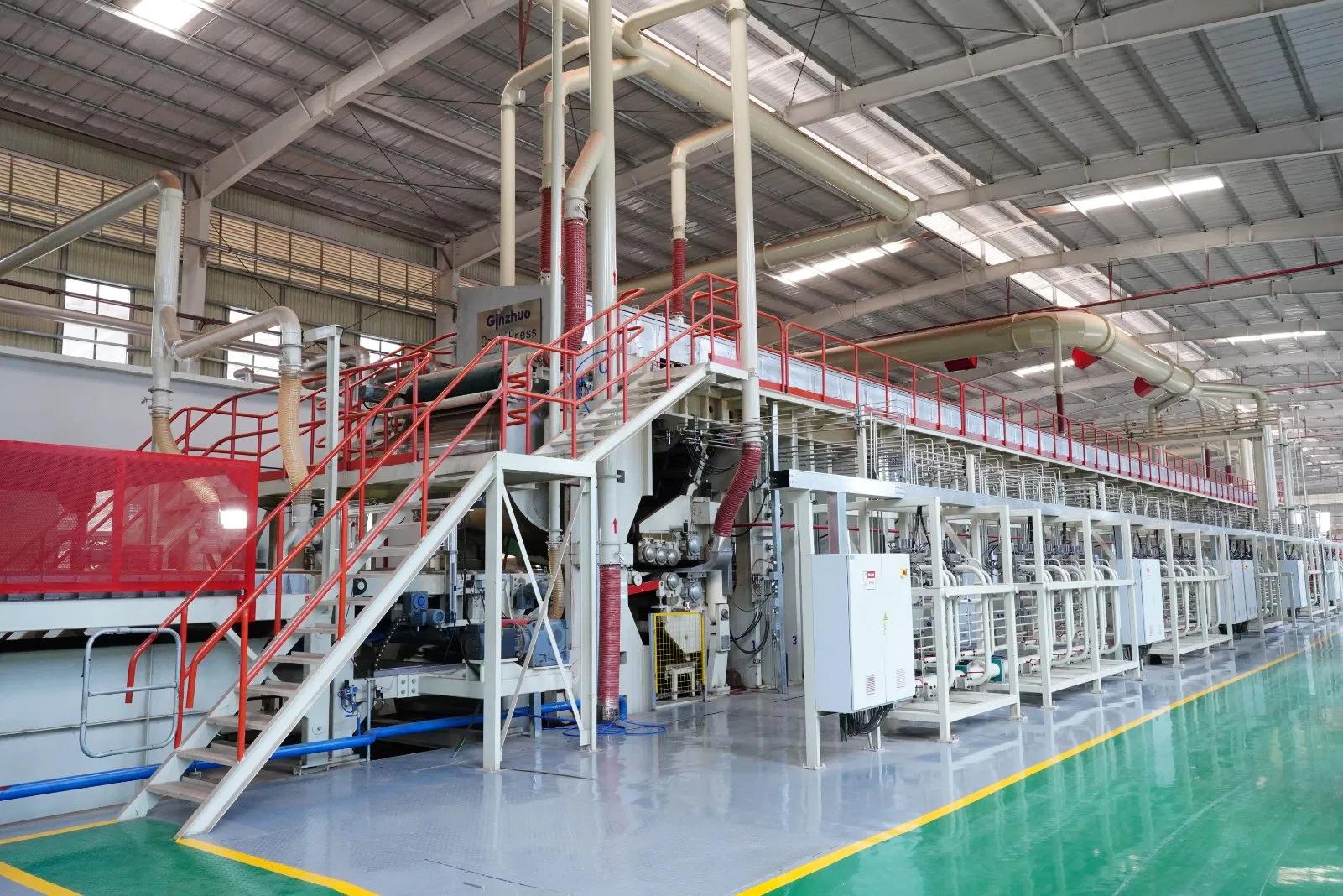
Internal Release Agents for Wood-Based Panel Manufacturing
Internal release agents play an important role in the efficient manufacture of MDF, OSB, particleboard and other engineered wood-based panels, helping manufacturers achieve reliable release while reducing press contamination, cleaning requirements and production downtime.
Modern wood panel manufacturing involves high production speeds, elevated press temperatures and increasingly demanding resin systems. Selecting the correct internal release agent for wood-based panels can therefore have a significant impact on production efficiency, press cleanliness and finished board quality.
CRC supplies specialist internal release agents for MDF, OSB, particleboard and engineered wood manufacturing, with products selected according to the resin system, wood furnish, press conditions and individual production requirements.
What Is an Internal Release Agent for Wood-Based Panels?
An internal release agent is a specialist process additive introduced directly into the wood panel manufacturing process to promote release during hot pressing.
Unlike an external release agent, which is applied to the surface of a press plate, steel belt or other production surface, an internal release agent is incorporated into the manufacturing system.
During pressing, the release agent helps prevent unwanted adhesion between the board and the press surface.
This can be particularly valuable in high-volume MDF, OSB and particleboard manufacturing, where improved release and reduced press contamination can help extend production runs and minimise costly downtime.
CRC supplies a range of release agents and additives for wood-based panel manufacturing designed for the specific requirements of the engineered wood industry.
Why Are Release Agents Important in Wood Panel Manufacturing?
During the production of engineered wood panels, wood fibres, strands or particles are combined with a resin binder before being subjected to heat and pressure.
The combination of resin, wood, high temperature and pressure creates the conditions required to manufacture a strong and consistent panel, but it can also create significant release challenges.
Without an effective release system, the board can adhere to press plates or steel belts.
This can contribute to:
- Difficult board release
- Press plate contamination
- Steel belt contamination
- Resin build-up
- Increased cleaning requirements
- Production interruptions
- Reduced press availability
- Surface defects
- Increased maintenance costs
An effective internal release agent for wood panels helps manufacturers control these problems while maintaining efficient production.
Internal Release Agents for MDF Manufacturing
MDF (Medium Density Fibreboard) is manufactured from wood fibres combined with a resin binder and consolidated under heat and pressure.
The high temperatures and pressures involved in MDF production make reliable release essential.
An internal release agent for MDF can help reduce adhesion between the panel and press surfaces while minimising unwanted resin deposits.
Correctly selected MDF release technology can contribute to:
- Reliable release from the press
- Reduced press plate or belt build-up
- Longer production runs between cleaning
- Reduced downtime
- Improved production efficiency
- More consistent board surfaces
The optimum release system will depend on the complete manufacturing process, including resin chemistry, fibre characteristics, press temperature, press type and production speed.
CRC's wood release agents and additives can be selected according to the individual requirements of the MDF production line.
Internal Release Agents for OSB Manufacturing
OSB (Oriented Strand Board) presents different release challenges to MDF.
Rather than fine wood fibres, OSB uses larger wood strands arranged in layers and bonded under heat and pressure.
The interaction between the wood strands, resin and press surfaces makes effective release technology an important part of the production process.
A specialist internal release agent for OSB manufacturing can help reduce adhesion and unwanted build-up while supporting efficient continuous production.
This is particularly important where highly adhesive resin systems are used.
Release Agents for MDI Resin Systems
MDI-based binders provide excellent bonding performance and are widely used within engineered wood manufacturing.
However, the strong adhesive characteristics that make MDI resins effective binders can also create significant release challenges during pressing.
MDI can adhere strongly to metal surfaces, making effective release technology particularly important.
A correctly selected release agent for MDI resin systems can help:
- Reduce adhesion to metal press surfaces
- Minimise resin build-up
- Improve board release
- Reduce cleaning frequency
- Extend production runs
- Reduce manufacturing downtime
Release agent selection should always consider the complete resin system and manufacturing conditions.
CRC can recommend specialist release technology according to the resin chemistry, board type, press system and operating temperature.
Internal Release Agents for Particleboard
Particleboard, sometimes referred to as chipboard, is manufactured by combining wood particles with a resin binder before pressing the material into panels.
As with MDF and OSB, reliable release from the press is essential for efficient production.
An internal release agent for particleboard manufacturing can help minimise sticking and reduce contamination of press surfaces.
The release system needs to work effectively alongside other formulation components, which may include waxes, hardeners and specialist process additives.
Selecting the correct product therefore requires an understanding of the complete particleboard formulation rather than considering release performance in isolation.
Internal Release Agents for Continuous Presses
Modern wood panel manufacturing increasingly relies on highly efficient continuous press systems.
In these processes, maintaining clean steel belts and consistent release is particularly important because contamination can affect both production efficiency and panel surface quality.
Even relatively small improvements in press cleanliness can potentially extend the period between maintenance and cleaning operations.
Specialist internal release technology can help minimise adhesion and unwanted deposits on steel belts, contributing to longer production runs and improved press availability.
Internal Release Agents for Multi-Daylight Presses
Release technology is equally important in traditional multi-daylight press systems.
Press plates need to remain clean and provide consistent release from one pressing cycle to the next.
Build-up on the plate surface can eventually affect both release and panel quality.
An effective internal release agent can help minimise contamination and reduce the frequency at which press plates need to be cleaned.
Internal vs External Release Agents for Wood Panels
Wood panel manufacturers can use both internal and external release agents, depending on their manufacturing process.
An internal release agent is incorporated into the production system, while an external release agent is applied directly to the press surface.
There are advantages to both approaches.
External release agents can provide a direct barrier between the resin and the metal surface, while internal release agents can help provide release throughout the production process without relying entirely on repeated external application.
In some applications, the optimum solution can involve a combination of internal and external release technology.
CRC supplies both technologies, allowing the release system to be selected according to the actual manufacturing process rather than taking a one-product-fits-all approach.
Explore our wood release agents and additives to see the different technologies available for engineered wood manufacturing.
Can Internal Release Agents Reduce Press Build-Up?
Reducing press contamination is one of the major reasons for optimising a wood panel release system.
Resin and other process materials can gradually accumulate on press plates and steel belts during production.
As deposits increase, manufacturers may experience deterioration in release performance and board surface quality.
Eventually, production may need to be stopped so the press can be cleaned.
A correctly selected internal release agent can help minimise this accumulation.
Potential benefits include:
- Cleaner press plates and steel belts
- Reduced resin deposits
- Longer production runs
- Less frequent cleaning
- Reduced maintenance
- Improved press availability
- More consistent board quality
For a high-output MDF, OSB or particleboard plant, reducing even relatively short periods of downtime can have a significant impact on overall productivity.
Selecting the Correct Internal Release Agent
There is no single internal release agent suitable for every wood-based panel manufacturing process.
Product selection should consider factors including:
- MDF, OSB or particleboard production
- Resin chemistry
- MDI, UF, MUF or phenolic resin systems
- Wood fibre, strand or particle characteristics
- Resin addition level
- Wax and other additives
- Press temperature
- Continuous or multi-daylight press
- Steel belt or press plate surface
- Production speed
- Required panel surface quality
Understanding these factors allows the release system to be optimised for the individual production line.
More Than Just Release
A successful release system should do more than simply prevent a board from sticking.
The objective is to achieve consistent release while maintaining production efficiency, board quality and press cleanliness.
This means considering the complete process.
Changes to resin chemistry, press temperature, production speed or other additives can influence release performance. A product that performs successfully on one MDF or OSB production line may therefore require different addition levels or a different release technology on another.
CRC works with manufacturers to evaluate the actual production conditions before recommending the most appropriate release solution.
Wood Release Agents and Additives from CRC
CRC has extensive experience supplying specialist release agents and process additives to the wood-based panel industry.
Our product range provides solutions for:
- MDF manufacturing
- OSB manufacturing
- Particleboard production
- Engineered wood products
- MDI resin systems
- Continuous presses
- Multi-daylight presses
- Steel belts and press plates
Alongside internal release agents, CRC supplies external release agents and specialist additives for wood processing, allowing us to consider the complete release requirements of the production line.
Rather than simply supplying a release agent, we work with manufacturers to identify the resin system, press conditions and source of the release problem before recommending the most appropriate product.
Improve Release in MDF, OSB and Particleboard Production
If you are experiencing board sticking, resin build-up, contaminated press plates, steel belt deposits, frequent cleaning or inconsistent release, changing or optimising your release system could significantly improve production efficiency.
CRC supplies specialist internal release agents for MDF, OSB, particleboard and other engineered wood-based panel manufacturing processes.
Whether you use MDI, UF, MUF, phenolic or another resin system, we can discuss your production conditions and recommend an appropriate internal or external release solution.
Explore our Wood Release Agents & Additives or contact CRC to discuss your process and arrange a product trial.
